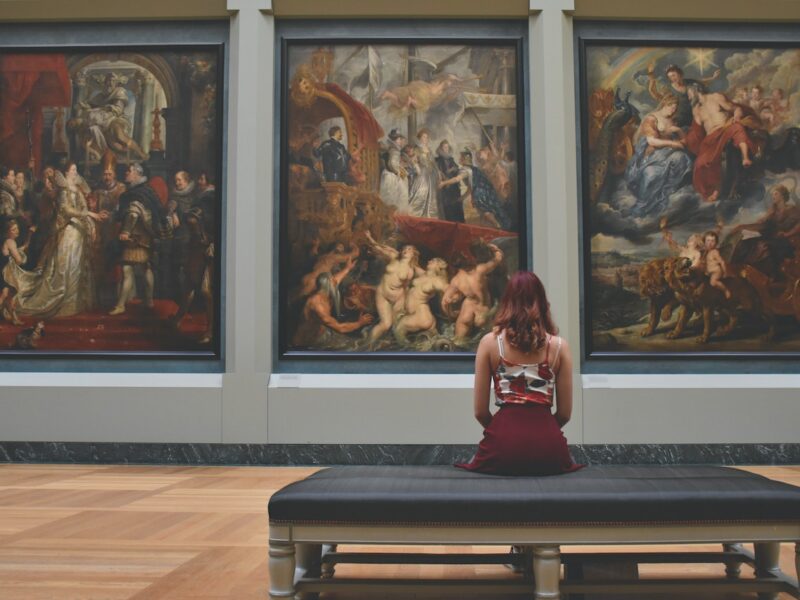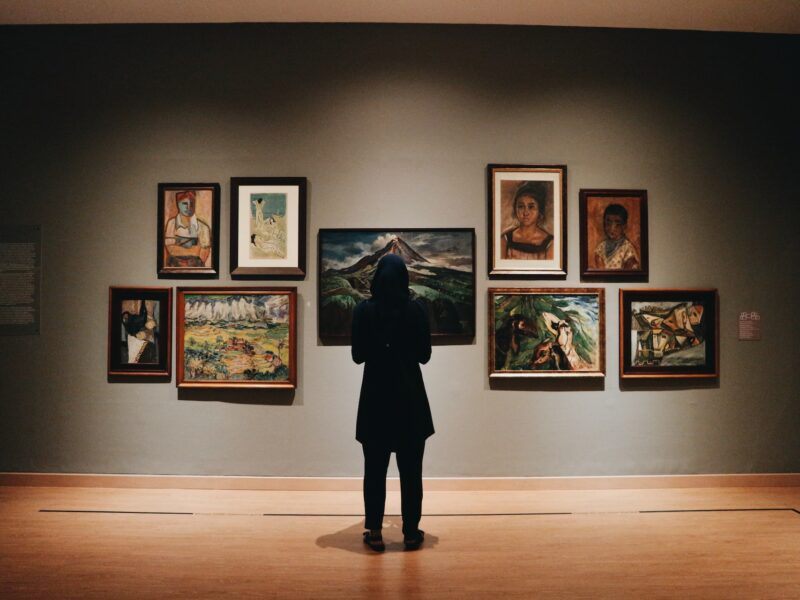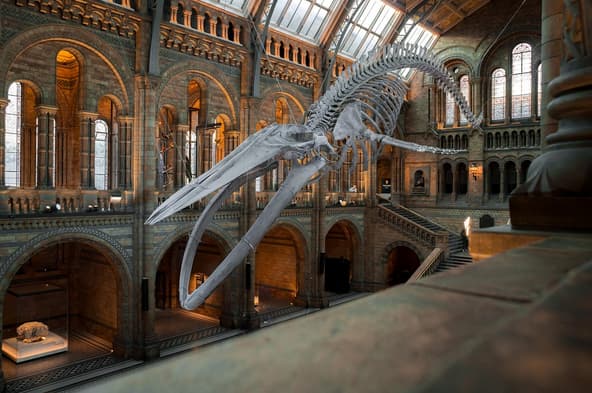
Galleries and museums are often framed as “educational” or “touristy,” but that framing is lazy and incomplete. At their best, these spaces are engines of curiosity, emotion, and conversation. They slow people down in a world optimized for speed, give context to beauty and history, and—importantly—create shared experiences that naturally spark dialogue. That’s why galleries and museums work so well not just for solo exploration, but also as dates, bonding activities, and meaningful ways to spend time together.
Unlike passive entertainment, museums demand interpretation. You don’t just consume what’s in front of you; you react to it, question it, and compare perspectives. This makes them especially powerful for couples or anyone trying to connect on a deeper level. And if choosing which museum or gallery feels overwhelming, tools like the random date generator on Onedateidea remove the friction by suggesting tailored cultural outings based on mood, city, and preferences.
Museums and Galleries as Cultural Anchors
Museums and galleries exist to preserve, interpret, and present human creativity and history—but their real value lies in context. A painting is never just paint on canvas. An artifact is never just an object. These spaces explain why something mattered, who created it, and how it shaped the world that followed.
Art galleries tend to emphasize emotional and aesthetic response. They invite subjective interpretation and personal taste. Museums, on the other hand, often focus on narrative—connecting artifacts, timelines, and ideas into a broader story. Science museums provoke curiosity and experimentation. History museums challenge assumptions and surface uncomfortable truths. Contemporary art galleries push boundaries and sometimes provoke disagreement, which is not a flaw but a feature.
From a social perspective, this diversity matters. Different personalities connect with different types of cultural spaces. One person might light up in a modern art gallery, another in a natural history museum. Exploring these preferences together reveals how people think, not just what they like.
Why Galleries and Museums Make Excellent Date Experiences
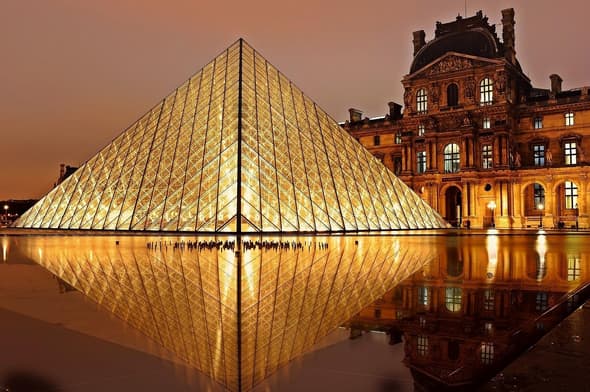
Let’s be blunt: most dates fail because they’re too passive or too generic. Coffee dates put pressure on conversation. Movie dates kill conversation entirely. Galleries and museums sit in the productive middle.
They give you:
- Built-in conversation starters without forced small talk
- Natural pacing, allowing silence without awkwardness
- Shared focus, which reduces social anxiety
- Insight into values, curiosity, and worldview
Walking through an exhibition, you’re constantly offered prompts: “What do you think this means?” “Would you hang this in your home?” “Did you know this happened?” These moments create micro-connections that accumulate into something more substantial.
There’s also a strategic advantage: museums and galleries scale well. They work for first dates, long-term couples, and everything in between. You can keep it short or turn it into a half-day experience with coffee, a walk, or dinner afterward.
If indecision is the blocker—and it often is—a random date generator like Onedateidea helps by suggesting museum or gallery dates that align with your budget, location, and energy level, instead of defaulting to the same tired options.
The Emotional and Cognitive Impact of Cultural Spaces
Exposure to art and history does more than entertain. Studies consistently show that visiting museums can increase empathy, reduce stress, and improve overall well-being. But beyond the data, there’s a simple psychological truth: shared discovery creates bonding.
When two people encounter something unfamiliar together—an abstract sculpture, a provocative installation, an ancient artifact—they experience mild uncertainty at the same time. That shared uncertainty is powerful. It encourages openness, curiosity, and collaboration rather than performance.
This is why museum dates often feel more “real” than scripted activities. You’re reacting authentically instead of trying to impress. Over time, these experiences create a shared cultural memory, which is one of the foundations of long-term connection.
Modern Museums Are Not What You Think
If your mental image of a museum involves dusty rooms and unreadable plaques, you’re outdated. Modern galleries and museums are actively reinventing themselves.
Today, many feature:
- Interactive and immersive exhibits
- Multimedia storytelling and AR/VR elements
- Late-night events, talks, and themed tours
- Pop-up exhibitions and rotating collections
This evolution makes cultural spaces more accessible and more social. Museums are no longer just places to observe—they’re places to participate. For couples, this means more dynamic experiences that feel current rather than formal.
Again, the challenge isn’t availability; it’s choice. Cities often have dozens of galleries and museums, and decision fatigue kills momentum. That’s where using a tool like Onedateidea to randomly—but intelligently—suggest a cultural date can turn intention into action.
Making the Most of a Gallery or Museum Visit
A common mistake is trying to “see everything.” That’s inefficient and exhausting. A better approach is intentional wandering.
Practical tips:
- Pick one or two exhibitions and ignore the rest
- Move at the pace of interest, not obligation
- Don’t read every label—talk instead
- Take breaks to reflect and discuss
The goal isn’t completion; it’s connection. A single piece of art discussed deeply is more valuable than fifty glanced at briefly. This mindset transforms museums from checklist activities into meaningful experiences.
Conclusion
Galleries and museums are underestimated tools for connection, reflection, and shared growth. They combine structure with freedom, education with emotion, and solitude with conversation. In a culture dominated by fast entertainment and shallow interaction, they offer something rare: depth without pressure.
Whether you’re exploring alone, deepening an existing relationship, or planning a thoughtful date, cultural spaces provide a framework that naturally encourages curiosity and closeness. And if choosing where to go is the hardest part, using a random date generator like Onedateidea can remove friction and help you discover experiences you might otherwise overlook.
The value of galleries and museums isn’t just in what they display—it’s in what they unlock between people.